Open 24/7, Monday to Sunday | Serving Indiana since 2015(724) 412-7116
Chester Dumpster RentalDumpster Rental Indiana, PA
Dumpster Rental Indiana, PA

Local debris service

Dumpster Rental Indiana, PA

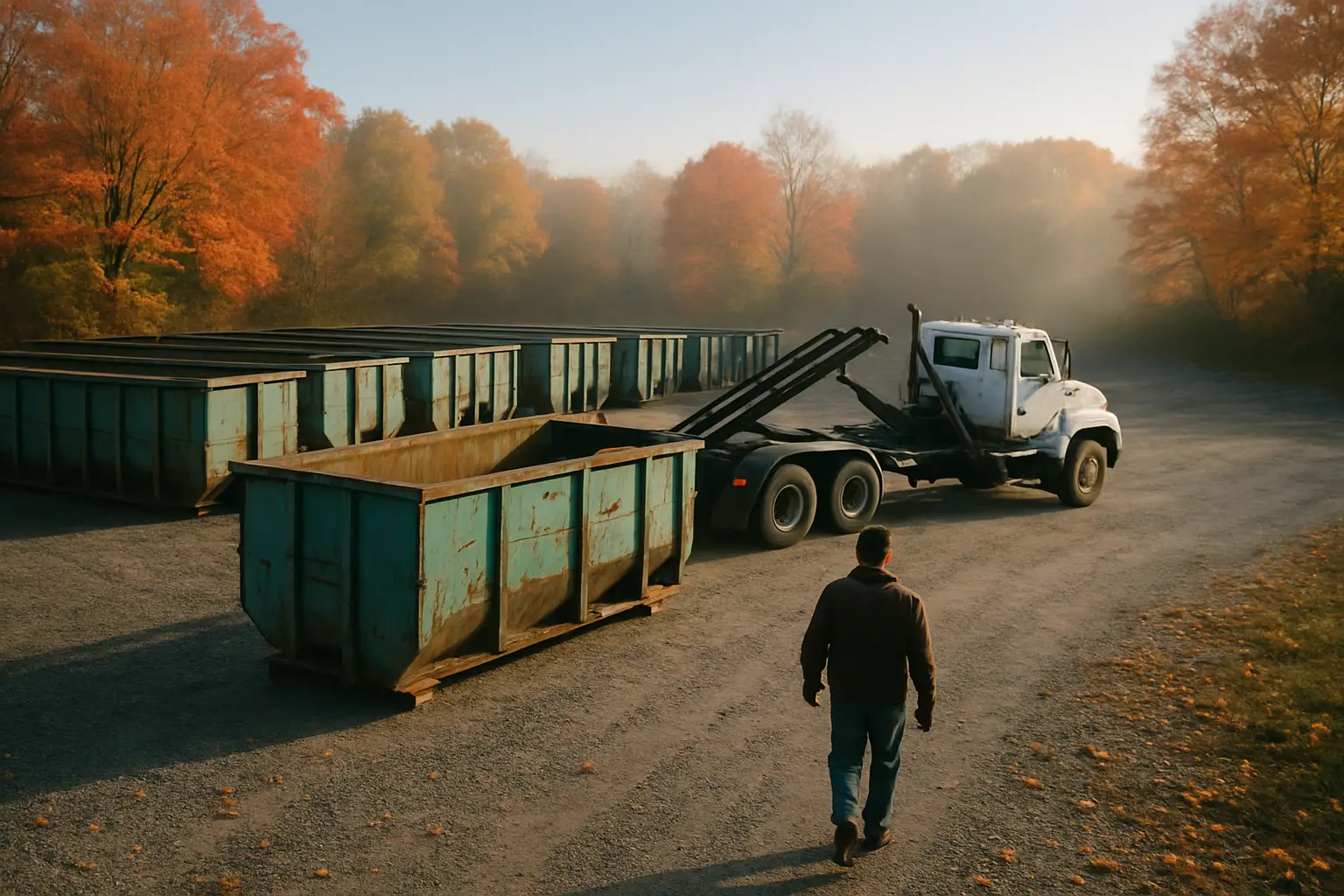
Chester Dumpster Rental confirms driveway clearance before delivery, with placement details documented for the crew and customer.

Dumpster Rental Indiana, PA gives homeowners, contractors, landlords, and businesses a practical way to contain debris without guessing where the container will fit. Chester Dumpster Rental reviews access, surface conditions, and the material going inside before delivery, then coordinates placement around the property and project schedule.

  • Licensed, bonded and insured
  • Serving since 2015
  • 24/7, Monday to Sunday
  • 4362 + containers delivered
  • Serving Indiana County

Local container work

Indiana projects need a placement plan first

Chester Dumpster Rental has served the area since 2015, handling the practical side of debris containment for properties across Indiana County. The crew looks at the driveway approach, overhead clearance, turning room, and the surface beneath the container before delivery. That matters on older Indiana homes with narrow approaches as much as it does on newer construction sites with unfinished access. Licensed, bonded and insured, the company works with homeowners, remodelers, landlords, roofers, and commercial crews. The goal is not to sell the largest container. It is to match the container to the material, available space, and loading plan so the job keeps moving.

Indiana has steep sections, older streets, changing weather, and a mix of compact lots and larger properties outside the borough. Those conditions affect where a container can sit and how a truck can reach it. Chester Dumpster Rental has delivered 4362 containers and uses that field experience to discuss the details before dispatch. Pre-delivery driveway checks confirm clearance, surface protection, and placement access, so the delivery plan is based on the actual property rather than an address alone. Availability is 24/7, Monday to Sunday, although the delivery date still depends on the project details and safe truck access.

Common project sizes

Indiana dumpster rental for cleanup and construction

These project types cover the work most often brought to us. Describe the material, access, and loading area before choosing a container.

  • House Cleanout Dumpsters

    A house cleanout container gives you one place for worn furniture, boxed belongings, household materials, and general debris. It can suit a move, inherited property, rental turnover, or serious decluttering. Separate restricted materials before loading, and leave enough room for the crew to inspect the placement area.

    Whole-home cleanup
  • Garage and Basement Dumpsters

    Garages and basements often hold dense, awkward material that takes more room than expected. A container can handle shelving, old tools, flooring, storage boxes, and renovation debris when loaded evenly. Indiana properties with sloped drives may need a placement discussion before the container is scheduled.

    Storage area cleanup
  • Moving and Estate Cleanouts

    Moving and estate work usually combines furniture, appliances, boxes, and household debris rather than one uniform material. A container keeps the sorting process organized and reduces repeated trips. Tell the crew about stairs, narrow lanes, shared drives, or limited parking before delivery planning begins.

    Move-out debris
  • Yard Waste Dumpsters

    Yard projects can generate brush, branches, sod, soil, and other heavy material. Those loads require more care than ordinary household debris because weight can become the limiting factor before volume does. Describe the material clearly, especially after wet weather, so the suitable container can be discussed.

    Outdoor cleanup
  • Roofing Debris Dumpsters

    Roof replacement creates dense, heavy debris that should be contained close to the work area without blocking crew access. A driveway or firm private surface is often preferable to soft ground. Account for tear-off material, underlayment, and cleanup when discussing the container size and placement.

    Roofing projects
  • Construction Debris Dumpsters

    Construction loads may include lumber, drywall, cabinets, flooring, packaging, and mixed renovation waste. Keeping material contained helps trades work around the site and makes final cleanup more predictable. Give the crew the project scope, property access, and any planned staging changes before delivery.

    Building material
  • Furniture and Appliance Disposal

    Large furniture and appliances consume space quickly, even when the total pile does not look substantial. Measure the loading path, protect walls and doors, and identify unusually heavy items before selecting a container. Some materials may require separate handling, so discuss the list beforehand.

    Bulky household items
  • Same-Day Dumpster Delivery

    Same-day delivery may be possible when a suitable container, truck route, and safe placement are available. It is not something to promise before checking the job. Have the delivery address, access details, material type, and preferred placement ready so the crew can give a useful answer.

    Urgent project support
  • Commercial and Recurring Dumpsters

    Commercial sites, property managers, and recurring contractors may need a repeatable container plan rather than a single drop. Access changes, loading volume, and pickup coordination should be reviewed together. Share site constraints and the expected work cycle so the service fits the operation.

    Business debris service

Related cleanup options

Some Indiana jobs need a different approach

How scheduling works

A straightforward plan prevents delivery problems

  1. Describe the project

    Start with the material, approximate amount, project type, and target timing. Roofing, soil, concrete, household contents, and mixed remodeling debris behave differently. A plain description is more useful than guessing a container size from a photograph or a pile that has not been sorted.

  2. Review the property

    The crew needs to understand the driveway, road approach, overhead lines, gates, slopes, and nearby vehicles. Indiana properties can change quickly from level pavement to a steep or narrow approach. Explain where you want the container and what could prevent the truck from lining up.

  3. Confirm the container

    The recommended tier should leave usable room without paying for unnecessary capacity. Material weight, loading height, and how tightly debris can be stacked all matter. If the smaller option is adequate, that is the direction worth taking. If it is not, the reason should be clear.

  4. Prepare the loading area

    Move vehicles, trailers, loose tools, and fragile items away from the planned placement area. Keep gates open, trim or identify low branches, and make sure the route is visible. If the surface is soft or weather has turned wet, mention that before the truck is dispatched.

  5. Load and coordinate pickup

    Load evenly, keep debris below the top edge, and follow the material guidance discussed beforehand. Do not place prohibited or unusually heavy items without approval. When the project is finished, pickup coordination can be arranged around site access and the next phase of work.

What we check

The useful details happen before the truck arrives

  1. Placement is treated as a job detail

    A container is not useful if the truck cannot reach the proposed spot or the surface cannot support it. Chester Dumpster Rental checks clearance, surface protection, and placement access before delivery, then uses those findings to plan the approach. That is especially useful on Indiana drives with grades, tight turns, retaining edges, or limited room beside the house.

  2. The cheaper tier gets a fair look

    A larger container is not automatically the right answer. If the material is light, the project is limited, and the loading area is workable, a smaller tier may be enough. Dense roofing, masonry, wet yard debris, and demolition material can change that recommendation. The decision is based on what the container must hold, not on selling unused space.

  3. The crew discusses constraints plainly

    Access problems are easier to solve before scheduling than after a truck is at the curb. Explain the road width, shared driveway, overhead lines, ground condition, and any public placement concern. The crew can then identify what needs preparation and what cannot safely be promised. Availability is 24/7, Monday to Sunday, with timing coordinated around actual access.

Service standards

Every delivery starts with practical checks

  • Clear access is reviewed before the container and truck are assigned.
  • Driveway conditions are discussed before placement on paved or unpaved surfaces.
  • Material descriptions guide the size recommendation and loading instructions.
  • Overhead branches, wires, gates, and turning space receive attention during planning.
  • Customers should keep vehicles and loose belongings away from the delivery area.
  • Loading remains below the container edge and distributed across the available space.
  • Restricted or unusually heavy materials are discussed before they enter the container.
  • Scheduling details are coordinated around safe access, project needs, and site changes.

Placement planning

Where an Indiana container can safely sit

On an Indiana property, the best container location is usually a firm private surface with a straight approach, enough width for the truck, and no low branches or wires above the path. A driveway may work, but steep grades, soft shoulders, retaining walls, parked cars, and narrow turns can change the plan. A container placed on a public street usually needs town permission first; tell us where it has to sit and we will explain what applies. Avoid blocking hydrants, sight lines, sidewalks, entrances, or shared access. Older borough properties may have limited frontage, while homes outside the denser streets can have more room but longer gravel approaches.

Before delivery, move vehicles and trailers, unlock gates, identify the exact placement area, and keep children, pets, and loose tools clear. The truck needs room to approach, align, and lower the container without striking branches, siding, steps, or utility equipment. Wet springs and freeze-thaw conditions can make gravel and soil less dependable than they appear. If the ground is soft, explain it rather than assuming the truck can use it. A driveway protection plan may be appropriate, but protection does not make an unsafe slope safe. The crew will use the access details to discuss a workable location and any preparation needed before scheduling.

Material decisions

Indiana homes change the size and weight equation

Indiana’s housing stock includes older borough homes, split-level properties, newer subdivisions, rentals, and rural houses with larger outbuildings. A basement cleanout in an older home may involve plaster, lath, masonry, and heavy shelving, while a newer kitchen project may produce cabinets, drywall, flooring, and packaging. Those materials do not fill a container at the same rate. Roofing shingles, concrete, brick, soil, and wet yard waste reach weight limits sooner than light household contents. A large container may offer space but still be the wrong choice for dense debris. Describe the material mix instead of relying only on the size of the pile.

For a modest bathroom renovation, a smaller tier can be sensible when debris is light and broken down. A garage cleanout with bulky furniture needs room for irregular shapes, while a demolition project may need both capacity and careful weight planning. In Indiana’s wet springs and snowy winters, damp carpeting, insulation, brush, and soil become heavier and harder to compact. Keep heavier material low, distribute loads across the floor, and never load above the top edge. Have the room list, material list, and approximate loading method ready so the recommendation reflects the actual property and not a generic project label.

Common questions

Answers before you schedule a container

What size dumpster do I need for a home cleanout?

The right size depends on the amount, density, and shape of the material, not just the number of rooms. A limited cleanout may fit a smaller tier, while bulky furniture, appliances, or a full estate cleanout may need more room. Indiana homes with basements and outbuildings can produce more debris than the visible pile suggests. Prepare a room list, furniture list, and delivery access details before discussing the size.

Can a dumpster go on my Indiana driveway?

A dumpster can often sit on a private driveway when the surface, slope, clearance, and truck approach are suitable. The crew must also consider gates, wires, branches, retaining edges, and vehicles. Older Indiana driveways may be narrow or uneven, and wet ground can weaken gravel or soil. Clear the proposed area and provide the driveway surface, width, slope, and overhead information before delivery planning.

Can I put a dumpster on the street?

Street placement may require town permission and must not obstruct traffic, sidewalks, entrances, hydrants, or sight lines. Requirements can vary by location and road condition, so do not assume a public spot is available. Indiana borough streets may have limited frontage and parking. Identify the exact street position, nearby access points, and preferred dates so the applicable placement questions can be addressed before scheduling.

How far ahead should I reserve a dumpster?

Reserve as soon as the project scope and placement area are reasonably known, especially for roofing, renovation, commercial, or move-out work. Availability is 24/7, Monday to Sunday, but a delivery date still depends on container availability, route planning, material, and safe access. Have the address, project dates, container preference, and site conditions ready. If the work is urgent, explain the timing rather than assuming a delivery can be promised.

What cannot go in a dumpster?

Do not load restricted, hazardous, pressurized, liquid, or unusually heavy materials without discussing them first. Rules can also depend on the disposal facility and the material mix. Paint, chemicals, tires, batteries, appliances containing refrigerant, and certain building materials deserve specific review. Set questionable items aside, make a list, and describe anything dense, wet, chemical, or pressurized before the container arrives.

How should I prepare for dumpster delivery?

Clear vehicles, trailers, tools, branches, and loose items from the planned location and truck path. Unlock gates, protect items near the placement area, and make sure the crew can identify the intended spot. Indiana weather can soften gravel and soil, so mention recent rain, snow, or thawing conditions. Provide the exact address, surface type, access restrictions, and any overhead hazards before delivery.

Can I rent a dumpster for roofing debris?

Yes, roofing debris can be contained, but shingles and tear-off material are dense and may reach a practical weight limit before the container is full. The crew should know the roof size, material type, loading location, and driveway conditions. Wet weather can add weight and complicate access in Indiana. Keep the loading route clear, distribute debris evenly, and discuss underlayment or other mixed materials in advance.

Does Chester Dumpster Rental serve commercial projects?

Yes, Chester Dumpster Rental handles commercial, construction, property management, and recurring debris needs when the site can support safe container access. Commercial planning may involve changing entrances, shared driveways, loading zones, and pickup coordination. Indiana sites should identify traffic patterns, surface conditions, overhead hazards, and staging changes. Prepare the site address, material description, expected work cycle, and access contact for the scheduling discussion.

Plan the delivery

Bring the property details to the phone call

Chester Dumpster Rental can help narrow the container choice by listening to the project, material, access, and placement conditions first. Availability is 24/7, Monday to Sunday. A clear description of the job helps the crew discuss a realistic delivery plan instead of guessing from the address alone.

Phone

(724) 412-7116

The call covers container size, material guidance, placement access, preparation, scheduling, and pickup coordination.

Availability

24/7
Monday to Sunday, day and night

Have this ready

  • Project address and preferred placement area
  • Material type and approximate project scope
  • Driveway, street, gate, and overhead details
  • Preferred delivery and pickup timing

Where we work

Indiana, plus Homer City, Ernest, Clymer, Shelocta, Armagh, Blairsville, Saltsburg, Plumville, Vandergrift and Derry.

See the full service area list

Get the container plan right before cleanup starts

Tell Chester Dumpster Rental what you are removing, where the container needs to sit, and what the truck will face on arrival. The crew can then discuss the practical size, access, preparation, and scheduling details.

Click Here to Call(724) 412-7116

Indiana County coverage

Dumpster service stays centered on Indiana

Chester Dumpster Rental serves Indiana and nearby communities across Indiana County and the surrounding area. Coverage includes Homer City, Ernest, Clymer, Shelocta, Armagh, Blairsville, Saltsburg, Plumville, Vandergrift, and Derry. Each property still needs its own access review because borough streets, rural lanes, slopes, gravel approaches, and weather conditions can change the delivery plan.

Downtown IndianaOakland Avenue districtWhite TownshipIndiana boroughHomer City corridorSouth 6th Street area

Dumpster Rental in nearby towns

Click Here to Call(724) 412-7116